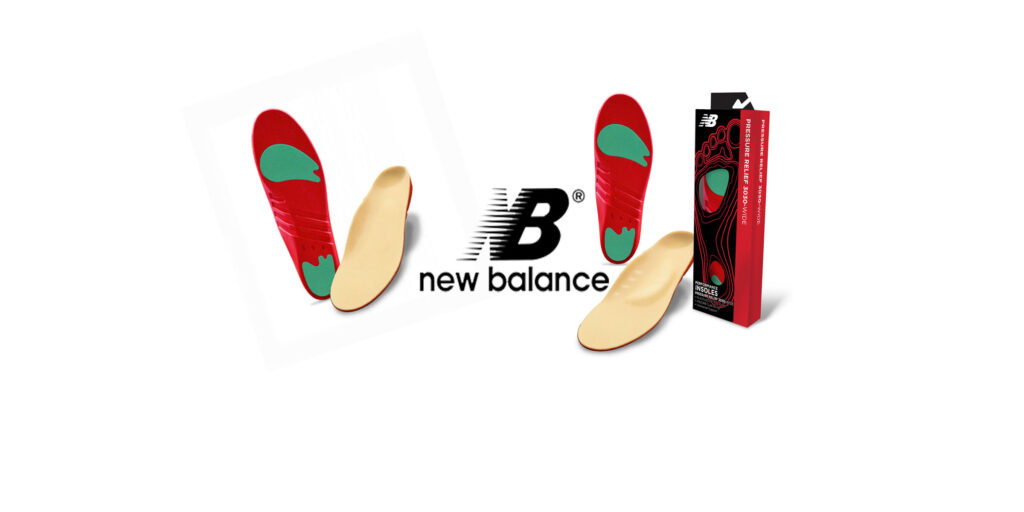

A shoe can feel fine in the morning, then feel miserable by lunch. Your heel starts aching. The ball of your foot feels hot and sore. Your arches feel tired. At that point, most people realize the shoe is only part of the story. What sits under your foot matters just as much.
That is where 10 Seconds comes in. The brand is known for cushioning, pressure relief, and all-day comfort. The key is choosing the model that matches your foot, your symptoms, and your shoes. Pick the right one, and comfort can improve fast. Pick the wrong one, and even a good insole can feel underwhelming.
Quick Comparison: 10 Seconds Insoles
If you are trying to choose between the main 10 Seconds models, this chart is the quickest place to start.
| Insole | Best for | Support feel | Cushioning feel | Good fit for | Metatarsal Pad |
|---|---|---|---|---|---|
| Motion Control | Over-pronation, unstable gait, long hours on hard floors | Firm, structured | Moderate-High | Workers, walkers, and anyone needing more control | Yes |
| Ultra Arch | Supination, high arches, rigid feet, harsh heel strike | Moderate | High | People who want shock absorption with arch support | Yes |
| Arch Stability | Mild to moderate arch support needs, everyday stability | Moderate to firm | Moderate | Daily wear, walking shoes, and users who need balanced support | No |
| Pressure Relief with Met Pad | Forefoot pain, metatarsal pressure, standing fatigue | Moderate | High | People with soreness under the ball of the foot, diabetics, arthritic feet | Yes |
| Pressure Relief | General foot fatigue, pressure reduction, all-day comfort | Light to moderate | High | Users who want soft comfort without strong motion control, diabetics, arthritic feet | No |
This table gives you the short answer. The better answer is understanding how each model feels, who it helps most, and what kind of shoe it fits best.
Your Guide to 10 Seconds Insoles
A common situation looks like this. Someone buys a solid pair of work shoes, walking shoes, or running shoes. They assume the stock insert is good enough. Then the foot fatigue keeps showing up anyway. In many cases, the shoe itself is not the real problem. The insert is.
10 Seconds Insoles have long appealed to people who want more shock absorption and pressure relief without jumping straight to a hard, rigid orthotic. That middle ground is a big reason the brand works for so many people. You get more material underfoot, better impact management, and a more supportive shape than the thin liner that comes with most shoes.
Still, not every model solves the same problem. Some are built mainly for cushioning. Some spread pressure. Some help control motion. The smartest way to shop is to match the insole to how your foot moves and where you usually feel discomfort.
If your discomfort keeps cycling between heel pain, forefoot soreness, and tired arches, it can also help to look beyond the insert itself and understand the bigger mechanics involved. This overview from Joint Ventures Physical Therapy on expert foot pain physical therapy gives useful context on why symptoms often repeat when support and movement patterns are not addressed together.
For shoppers who want to compare specific options, the 10 Seconds collection is the easiest place to see how the lineup is organized. Instead of treating every insole as if it solves the same problem, it helps to sort them by what they are actually made for. Some models are built to improve stability and help control motion. Others focus more on shock absorption, pressure reduction, or relieving stress in the forefoot. The sections below walk through the five main insoles one by one, so you can better understand how each model feels, what type of foot or pain pattern it is best suited for, and which kind of shoe it tends to fit best.
Practical rule: If your main issue is impact and fatigue, start with cushioning. If your main issue is collapse, inward rolling, or unstable standing, start with structure.
The Science of Shock Absorption and Comfort
People talk about cushioning loosely, but it usually means two different things. One is how soft an insole feels when you first step on it. The other is how well it keeps doing its job after hours of standing, repeated impact, or long shifts.
10 Seconds centers much of its design around PORON® foot strike pads and shock-attenuation foam. The brand states these materials are used to manage repetitive impact, and these polyurethane foams are valued because they retain cushioning properties under repeated compression, which is especially relevant in high-impact activity and occupations where fatigue builds through the day.
What that means under your feet
The simple version is this. A cheap insert often behaves like packing foam. It compresses fast, loses shape, and stops helping much once the day gets going. A better shock-managing material rebounds after repeated loading and keeps supporting you longer.
That matters most for people whose feet hit the ground hard and often:
-
Healthcare staff and service workers: Long periods of standing, pivoting, and walking create pressure buildup even without running.
-
First responders and mechanics: Hard surfaces and irregular movement patterns create plenty of heel strike and forefoot load.
-
Runners and active walkers: Repetition quickly exposes weak foam.
Shock absorption is not the same as support
This is where many shoppers get confused. A material can absorb impact well and still provide only moderate control. One benefit is comfort. The other is how well the insole helps guide foot motion.
A cushioned 10 Seconds model can reduce the harsh feel of each step, especially for rigid or high-arched feet that do not absorb impact efficiently. But if your foot rolls inward too much, cushioning alone may not be enough. The insole also needs enough structure to help control position.
Here is the easiest way to think about it. If your feet feel beaten up by the surface, cushioning often helps. If your ankles drift inward and your shoes collapse unevenly, cushioning matters less unless the insole also has real structure.
In-Depth Guide: Motion Control
If you are an overpronator, Motion Control is the first one to consider. This is the best match when the problem is not just soreness, but instability. It is built for people whose feet roll inward too much, whose arches collapse under load, or whose shoes break down faster on the inside edge.
This is not a soft comfort-only insole. It is designed to create a more controlled platform under the heel and midfoot so the foot stays better centered through the step. For many users, that matters more than plushness.
The 10 Seconds Motion Control Insole is the best fit when your symptoms look like this:
-
Arch fatigue that seems tied to collapsing inward
-
Ankles that drift in when standing or walking
-
Heel instability during long shifts
-
Shoes that wear down faster on the inner side
-
A feeling that soft insoles seem nice at first, then stop helping
How Motion Control works
Its design uses a heel cup, external stabilizing structure, arch support, and forefoot support to help center the rearfoot and improve how load moves through the foot.
| Feature | What it helps with |
|---|---|
| Heel cup | Keeps the heel more centered during contact |
| External heel stabilizer | Adds resistance to excessive inward roll |
| Arch support | Limits collapse through the midfoot |
| Metatarsal support | Spreads pressure more evenly across the forefoot |
This is the model I would point to for workers on concrete, heavier walkers, and anyone who knows the issue is control, not just impact. It is especially useful when comfort falls apart late in the day because the foot keeps dropping into the same weak position.
Who tends to like Motion Control most
-
Over-pronators who need more than generic cushioning
-
Workers on long shifts who want a more stable base
-
Walkers with tired arches caused by collapse, not just hard ground
Best shoe match for Motion Control
This model usually works best in shoes with enough depth to handle a more structured insert. Think walking shoes, running shoes with removable liners, work boots, and many hiking shoes. It can be harder to fit in narrow dress shoes or low-volume casual footwear.
In-Depth Guide: Ultra Arch
Ultra Arch is one of the best options in the line for people with high arches or rigid feet. These feet usually do not need heavy correction. They need better contact under the arch and better shock absorption at the heel and forefoot. General use purpose of this insole is opposite from the Motion Control. For a more in-depth comprision of these two insole read more here: The Difference Between 10 Seconds Ultra Arch and 10 Seconds Motion Control Insoles.
A high-arched foot can look stable from the outside and still take a beating internally. Because it does not spread force well through the midfoot, pressure often gets concentrated at the heel and the ball of the foot. That is why people with this foot type often describe harsh heel strike, supination, stiffness through the arch, and fatigue on concrete or during long walks.
The 10 Seconds Ultra Arch fits that pattern well.
What Ultra Arch is best at
Ultra Arch works best when the goal is to combine noticeable shock absorption with a more supportive shape under the arch, but without the firmer, more corrective feel of a stronger motion-control design.
It is a strong option for:
-
High arches that do not make enough contact with the insole
-
Rigid feet that feel stiff more than unstable
-
Harsh heel strikers who want less pounding underfoot
-
Supinators who tend to roll toward the outside of their foot
How Ultra Arch feels underfoot
Compared with a very soft neutral insert, Ultra Arch usually feels more shaped and more intentional. Compared with Motion Control, it usually feels less corrective and easier to adapt to. The best description is often supportive cushioning. You feel more arch contact than you would with a flat comfort insert, but the main goal is still comfort and impact management.
Best shoe match for Ultra Arch
Ultra Arch often works well in running shoes, walking shoes, and work shoes with moderate internal volume. If the shoe is already tight over the instep or forefoot, check the fit carefully
In-Depth Guide: Arch Stability
Arch Stability sits in the middle of the lineup, and that is exactly why it is useful. Not everyone needs the stronger control of Motion Control, and not everyone wants the softer comfort-first feel of the Pressure Relief models. Some people just need a balanced everyday insole that gives the arch more support and the foot a steadier base.
That is where 10 Seconds Arch Stability Insoles tends to work well. It usually makes sense for someone who says, “I need more support than the stock insert, but I do not think I need a serious corrective insole.”
Who Arch Stability is for
This model makes the most sense for:
-
Mild to moderate support needs
-
Everyday walking and standing
-
People whose arches tire out, but whose feet do not feel dramatically unstable
-
Users moving up from a basic cushioned insert who want more shape underfoot
What Arch Stability feels like
The feel is usually balanced. You get more structure than with a soft pressure-relief model, but less intensity than Motion Control. For many people, that makes it a strong all-purpose choice. It often works well in daily sneakers, walking shoes, and casual work shoes when the goal is better support without a big adjustment period.
When Arch Stability makes more sense than Motion Control
Choose Arch Stability first when your foot needs help, but not a lot of correction. If your shoes are not collapsing hard on the inside, your ankles do not feel obviously unstable, and your main complaint is general arch fatigue or mild support deficiency, this model is often the more comfortable and realistic fit.
In-Depth Guide: Pressure Relief with Met Pad
If your main problem is pain under the ball of the foot, Pressure Relief with Met Pad is one of the most targeted options in the 10 Seconds line. This is not just a soft insole. It is designed to redistribute pressure in the forefoot, which is a very different goal from simply adding more foam.
That distinction matters. When the metatarsal heads are overloaded, extra softness directly under the sore area may not fix much. A met pad sits just behind the painful zone and helps shift load into a better-tolerated part of the forefoot.
Who should consider Pressure Relief with Met Pad
This model usually makes the most sense for people dealing with:
-
Burning or aching under the ball of the foot
-
Metatarsal pressure that gets worse with standing or walking
-
Forefoot fatigue that shows up before heel fatigue
-
A feeling of carrying too much body weight forward
-
Sensitive feet, including some diabetic or arthritic users looking for pressure reduction
What the met pad changes
The met pad can feel unfamiliar at first because it intentionally changes where contact happens. Instead of letting all the load pile onto the most irritated area, it helps spread force and unload the metatarsal heads. Some people feel relief quickly. Others need a short break-in period while the foot adjusts to the new pressure pattern.
This is why I usually tell people not to judge this type of insole in the first five minutes. It is meant to help mechanics, not just feel soft right away.
Best shoe match for Pressure Relief with Met Pad
This model generally works best in shoes with enough room to accommodate the cushioned insole and met pad comfortably. Roomier walking shoes, work shoes, and some athletic shoes are usually better choices than narrow casual shoes or tighter dress styles.
In-Depth Guide: Pressure Relief
For those who simply want their shoes to feel less punishing, Pressure Relief is often the easiest entry point into the brand. This is the comfort-first option in the group. It is built for broad pressure reduction and underfoot softness, not aggressive control.
If your complaint sounds more like “my feet feel beat up” than “my feet feel unstable,” Pressure Relief is often the best place to start. It is especially appealing for people who spend long hours on their feet, want more comfort than the stock insert provides, and do not like a hard orthotic feel.
Who Pressure Relief is best for
-
People with general foot fatigue
-
Users standing on hard floors all day
-
Sensitive feet needing broad pressure reduction
-
Diabetic and arthritic feet, when a softer, more forgiving feel is the priority
-
Feet that dislike rigid support and want straightforward comfort
What Pressure Relief feels like
Of the five models here, this is one of the most comfort-focused. The support feel is light to moderate, so it can be a great fit for neutral users or for feet that do not need strong control. The trade-off is simple. It will not replace a true stability design for someone whose main issue is over-pronation or repeated inward collapse.
Best shoe match for Pressure Relief
Pressure Relief tends to work well in shoes with enough room for a cushioned full-length insert. Roomier sneakers, walking shoes, and work footwear are usually the best fit. In tighter shoes, even a comfortable insole can create crowding, which is why shoe volume always matters.
How the Models Compare in Real Use
Once you strip away the packaging language, these five models fall into three simple groups.
1. For control and alignment
-
Motion Control is the strongest choice when instability is the main issue.
-
Arch Stability is the better choice when you want support, but not the firmer feel of full motion control.
2. For impact and high-arch comfort
- Ultra Arch works best for high arches, rigid feet, and people who want shock absorption plus arch shape.
3. For pressure reduction
-
Pressure Relief with Met Pad is the best targeted forefoot option.
-
Pressure Relief is the broader comfort-first choice for general fatigue and underfoot soreness.
That is often the easiest way to shop the line. Ask what your foot needs most: control, shaped support, targeted offloading, or broad comfort.
When to Choose Stability Over Cushioning
Many shoppers assume more softness is always better. It is not. Cushioning helps with impact and pressure, but too much softness can reduce the feeling of a stable platform, especially for people who roll inward, need firmer alignment guidance, or spend long hours loading the same weak pattern.
That trade-off matters with 10 Seconds because the brand is strongly associated with comfort and pressure relief. But if the real problem is over-pronation or poor rearfoot control, a highly cushioned, flexible insole may be less effective than a firmer motion-control design.
Who usually needs more control
The people I would usually steer away from a very soft, pressure-relief-first choice are easy to spot from the complaint pattern.
-
Over-pronators: They often describe inward rolling, arch collapse, or ankle fatigue.
-
Workers on long shifts with unstable mechanics: They need support that holds shape and position through the day.
-
Users who want alignment help more than cushioning: Their priority is control, not plush feel.
-
Heavier or harder-loading walkers: Very soft inserts can bottom out in practical use and feel less secure.
Why firmer can feel better after longer wear
A highly cushioned insert often wins the first-impression test. It feels soft at step one. But after several hours, some users start feeling less planted, especially during turning, ladder work, uneven surfaces, or quick transitions.
That is where a more structured model earns its place. The 10 Seconds Motion Control insole is built for that kind of user. Its combination of heel cup, external stabilizer, arch support, and metatarsal support gives the foot more defined guidance.
This does not mean cushioning is bad. It simply means cushioning and stability solve different problems.
Comfort at first step and comfort after a full day are not always the same thing.
If your main issue is impact shock, choose cushioning. If your main issue is drift, collapse, or unstable standing, choose structure first and let cushioning be secondary.
Your 10 Seconds Insoles Questions Answered
Can you trim 10 Seconds insoles?
Yes, these insoles are designed to be trimmed. The safest method is to remove the factory insert, place it on top of the new insole, and trace the shape gradually. Trim a little at a time. Do not take a large cut on the first pass. For a detailed insturctions check out How to Trim Your Insoles in 4 Simple Steps
How often should you replace them?
Replace your when the top cover is worn, the shape has flattened, or the support no longer feels consistent. For some people, that shows up as returning fatigue. For others, it shows up as the shoe suddenly feeling harsher underfoot again. Most 10 Seconds models can be worn for the life of your shoe. For the Pressure Relief and Pressure Relief wiht Met models, they will usually need to be replaced every 6-12 months.
Are they a good option for runners?
They can be, especially for runners who want more shock absorption or need help with a specific pressure pattern. If your symptoms are more training-related, this guide to runner’s foot pain solutions is a useful companion read because it helps connect shoe choice, foot pain patterns, and support strategy.
How do they compare with firmer brands?
In simple terms, 10 Seconds often leans more toward comfort and pressure relief than very rigid support brands. That makes them appealing for users who dislike a hard orthotic feel. But if you need stronger control, a firmer design may still be the better tool.
What is the biggest mistake people make?
They shop for the symptom only and ignore the shoe. A cushioned insole in a tight shoe, or a soft insole for an unstable foot, usually leads to disappointment even when the product itself is well made.
If you are ready to stop guessing, shop Insoles.com for 10 Seconds insoles that match your foot type, activity, and shoe fit. The right pair can make a noticeable difference in daily comfort, pressure relief, and stability.