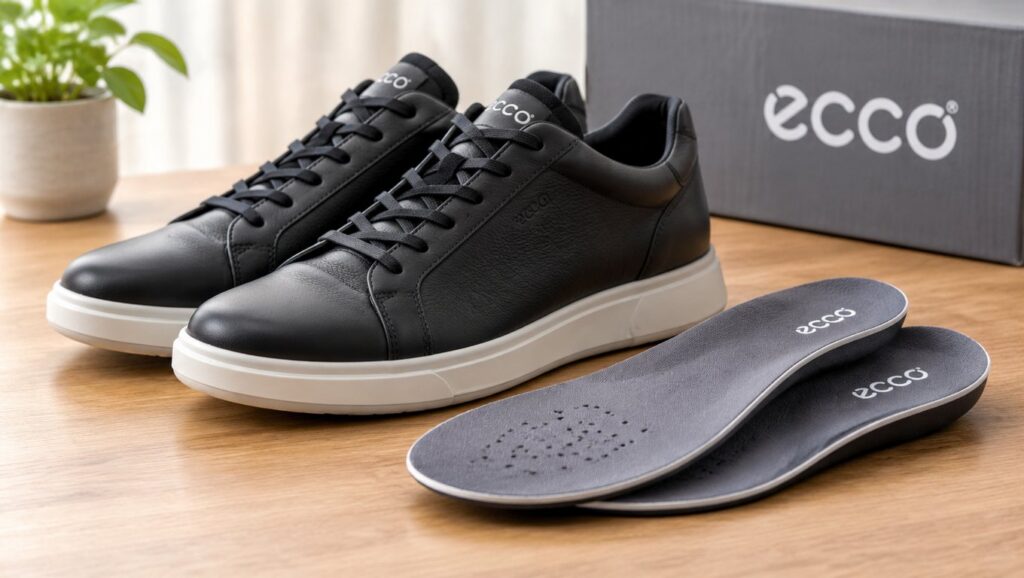
Looking for insoles for ECCO shoes? Start with the shoe, not the insole. Check whether the factory footbed comes out and how much room you have over your toes and instep. Then choose the support and cushioning you need.
If the footbed is removable, a slim full-length replacement may fit. If it is fixed, a three-quarter insert often leaves more room for your toes.
Use the chart below to compare five options, then check the fit in your own shoes.
Quick Buying Guide: Five Insoles to Compare for ECCO Shoes
Our Board-Certified Pedorthists have reviewed these five insole options to help you find the right support for your ECCO shoes. Each offers a different combination of support, cushioning, and thickness. The best choice depends on your foot type and the space available inside your shoes.
| Insole | Choose this if… | Fit Requirements | View Insole |
|---|---|---|---|
| Pedag Holiday 3/4 Insoles | You want a slim insert with firm arch contact and a metatarsal pad for forefoot support. | Three-quarter length leaves the toe area clear; check that the arch and metatarsal support sit comfortably. | 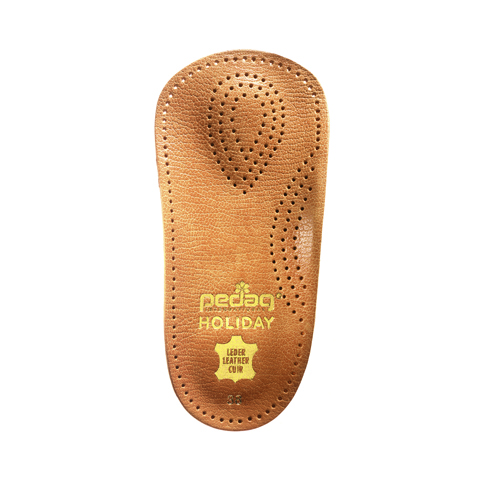 |
| Superfeet Women’s Easyfit and Superfeet Men’s Easyfit Insoles | You need structured arch support in a close-fitting dress or casual shoe and want a no-trim option. | Choose the appropriate version and check heel and arch placement. |  |
| PowerStep Pinnacle 3/4 Insoles | You want arch support and cushioning, but need an ultra-slim insert that keeps the toe area clear. | Check that the insert lies flat and that its arch and heel placement feel comfortable in your ECCO shoes. | 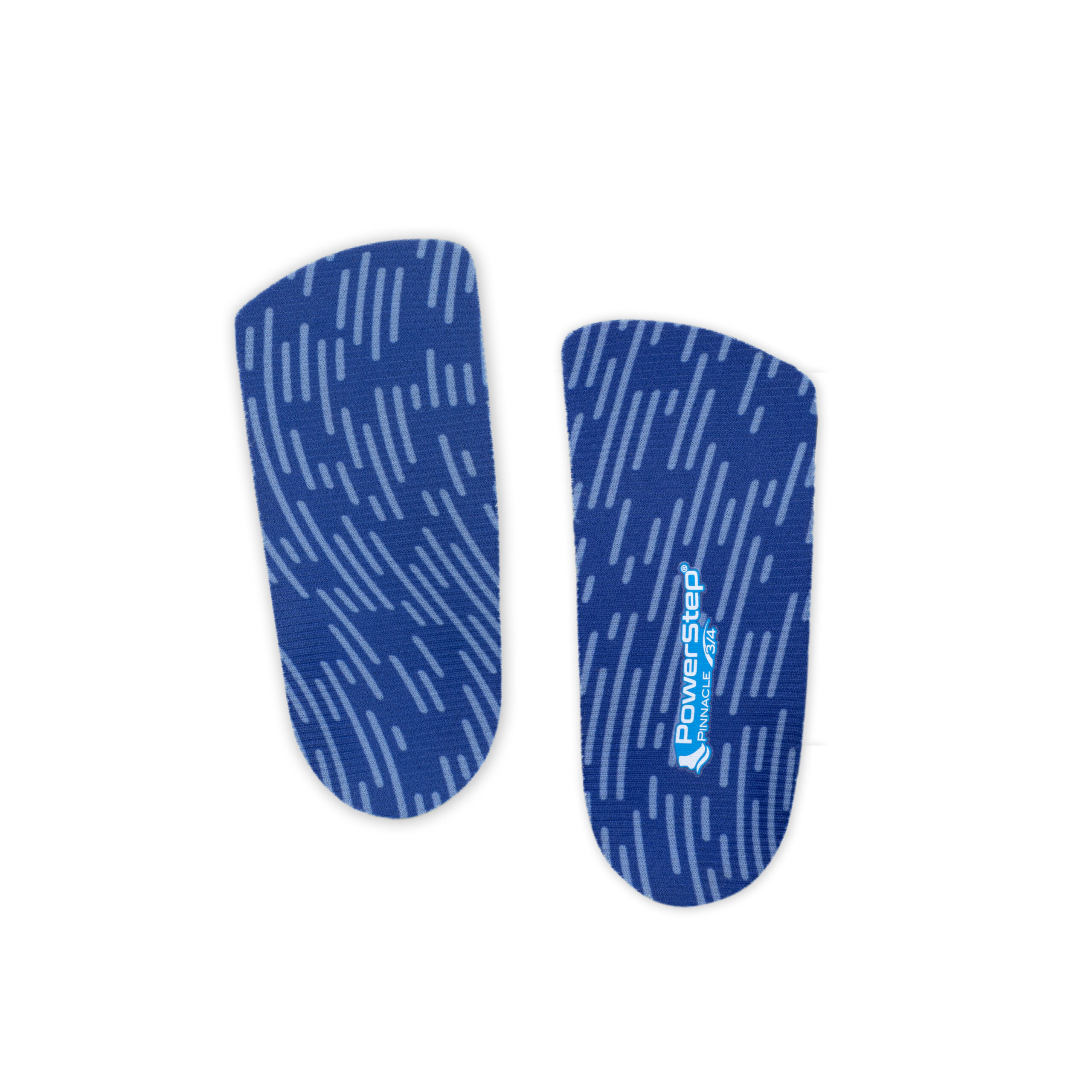 |
| FORM Ultra-Thin Insoles | You want thin, moldable, full-length support and can remove your shoe’s factory footbed. | Remove the existing shoe liner first; check that the insert lies flat without crowding your toes or instep. | 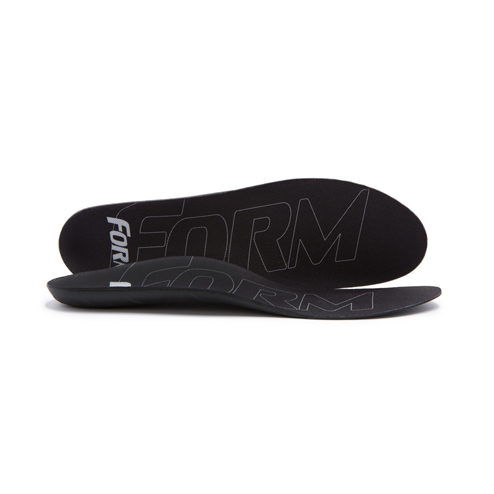 |
| Cadence Low Arch Insoles | You have low arches and want moderate support plus cushioning in a thin full-length replacement. | Replace a removable liner; check that the insert lies flat and leaves enough room at the ball of the foot. |  |
Quick match: Tight dress shoe? Compare the three-quarter options such as Pedag Holiday, Superfeet Easyfit Women’s and Superfeet Easyfit Men’s. Low arches and a removable liner? Start with Cadence Low Arch Insoles. Want thin full-length support? Consider FORM Ultra-Thin. Need a slim three-quarter insert with cushioning? Look at PowerStep Pinnacle 3/4. Check the fit in your own shoes before choosing.
Still need help finding the right insole? Use our Insole Advisor to find recommendations based on your arch type, activity, and support needs.
Try any new insert indoors with your usual socks. If your heel slips, your toes feel cramped, or one spot under your arch hurts, rethink the fit.
Why Fit Matters in ECCO Shoes
Yes, many ECCO shoes can take replacement insoles, but the right choice depends on the space inside your particular pair. An insert that works in a roomy sneaker may raise your foot too high in a closer-fitting shoe, pressing on the instep or toes or causing heel slip.
Match the insert to the liner
Gently lift the liner near the heel to see whether it comes out. Do not force it. ECCO models vary, so use your own pair, not the model name alone, to decide what fits.
| Liner type | Where you may find it | What to try |
|---|---|---|
| Removable footbed | Many walking, casual, and golf styles, including select Track 25 and BIOM models. Check your specific model to confirm the footbed is removable. | Replace it with a slim full-length insert that follows the original outline and lies flat. |
| Fixed liner | Many dress oxfords, some hybrid dress styles, and dress boots | Try a slim three-quarter insert over the liner to leave the toe area clear. Compare options in the three-quarter-length insole collection. |
| Dual-Fit design | Select ECCO models with removable insoles designed to adjust shoe fit | Remove the appropriate insole to create additional space, then check whether a replacement insole fits comfortably. See ECCO’s shoe sizing and fit FAQs. |
Check the space before you buy
- Compare thickness. If the footbed comes out, compare it with the replacement, especially at the heel and forefoot. Check how much room remains above your instep and toes.
- Use the original as a template. Compare its length and widest point with the new insert before trimming a full-length option.
- Test the fit indoors. Wear your usual socks and fasten the shoes. Walk to check for instep or toe pressure and heel slip.
The Insoles.com insole size guide can help you choose a length. For trimming advice, see How to Trim Your Insoles.
What to Look for in an Insole
A heel cup that stays put
The heel cup should sit flat inside the shoe and cradle your heel in place. If it is too deep or rigid for the shoe, it may press against the heel counter or shift your foot forward.
An arch that supports without digging in
More arch height is not always better. Look for steady contact rather than a sharp pressure point. If you feel a hard ridge under your arch, you may need to try a different arch height.
Arch-support insoles can change where pressure falls under the foot. Studies have also reported changes in movement under certain walking and running conditions. Those results do not mean one insert will solve every foot problem. The biomechanics research indexed by PubMed offers more detail.
Enough room for your toes to move
The front of the insert should not make the shoe feel stiff or crowded. Check that your foot can bend where the shoe bends, especially in a tapered style. Extra cushioning may feel soft in your hand but still take up too much space in the shoe.
Match the Insole to the ECCO Shoe
| ECCO shoe | Insole type to consider | Main fit check |
|---|---|---|
| Everyday casual shoe | Slim, shaped full-length insert if the liner comes out | Does the instep still feel comfortable? |
| Walking or active shoe | Structured support with a flexible front | Does the heel stay secure while the forefoot bends? |
| Dress shoe with a fixed liner | Slim three-quarter insert | Do your toes still have room? |
| Boot | Low-volume full-length insert if the liner comes out or slim three-quarter insert | Does the boot still close comfortably? |
Casual shoes
In an ECCO Soft or similar casual shoe, remove the factory footbed if it is designed to come out. Start with a slim replacement and moderate arch support. Trace the old footbed before trimming, then check the fit with the shoe fastened.
Walking and golf shoes
A secure heel matters when you spend more time on your feet. Choose an insert that stays flat and lets the front of the shoe flex. Test it indoors before a long walk or round of golf.
Dress shoes and boots
If the dress shoe has a fixed liner, try a slim three-quarter design first. It leaves more room at the front. In a boot with a removable footbed, a full-length replacement may work.
For more help sorting by shoe type and activity, see the guide to choosing the right insole.
Real World Fit Example
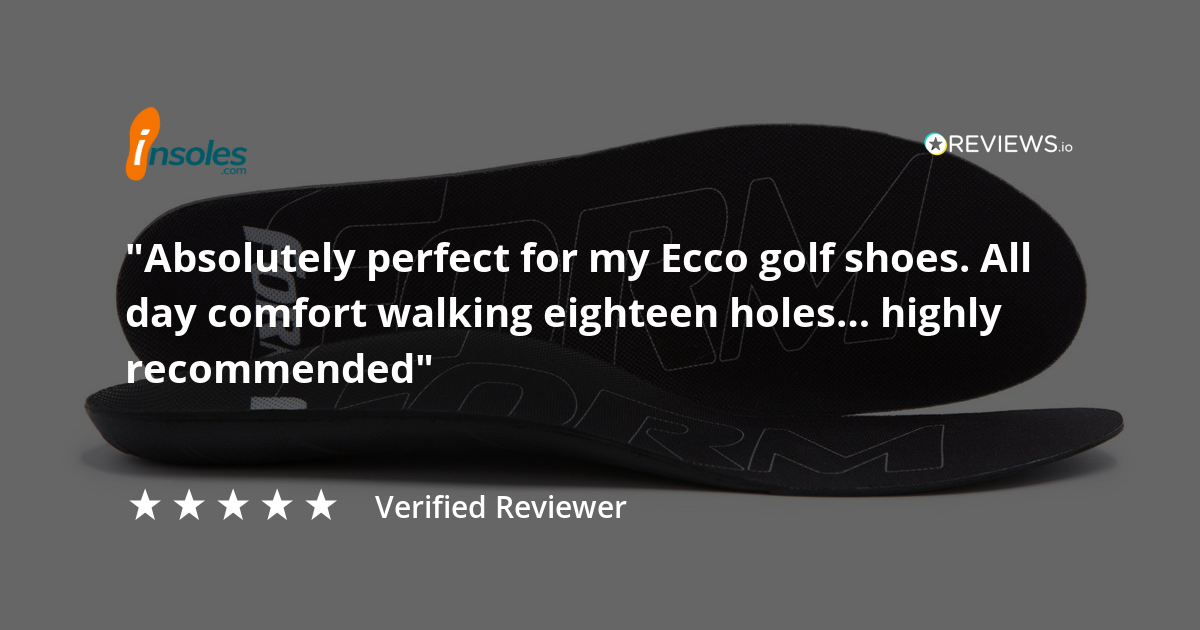
One customer reported excellent comfort wearing FORM Ultra-Thin insoles in their ECCO golf shoes while walking 18 holes. While this is a helpful example of how replacement insoles can work in ECCO footwear, fit varies by shoe model. Always check that the insert fits comfortably without crowding your feet.
Fit, Break In, and Replace Your Insoles
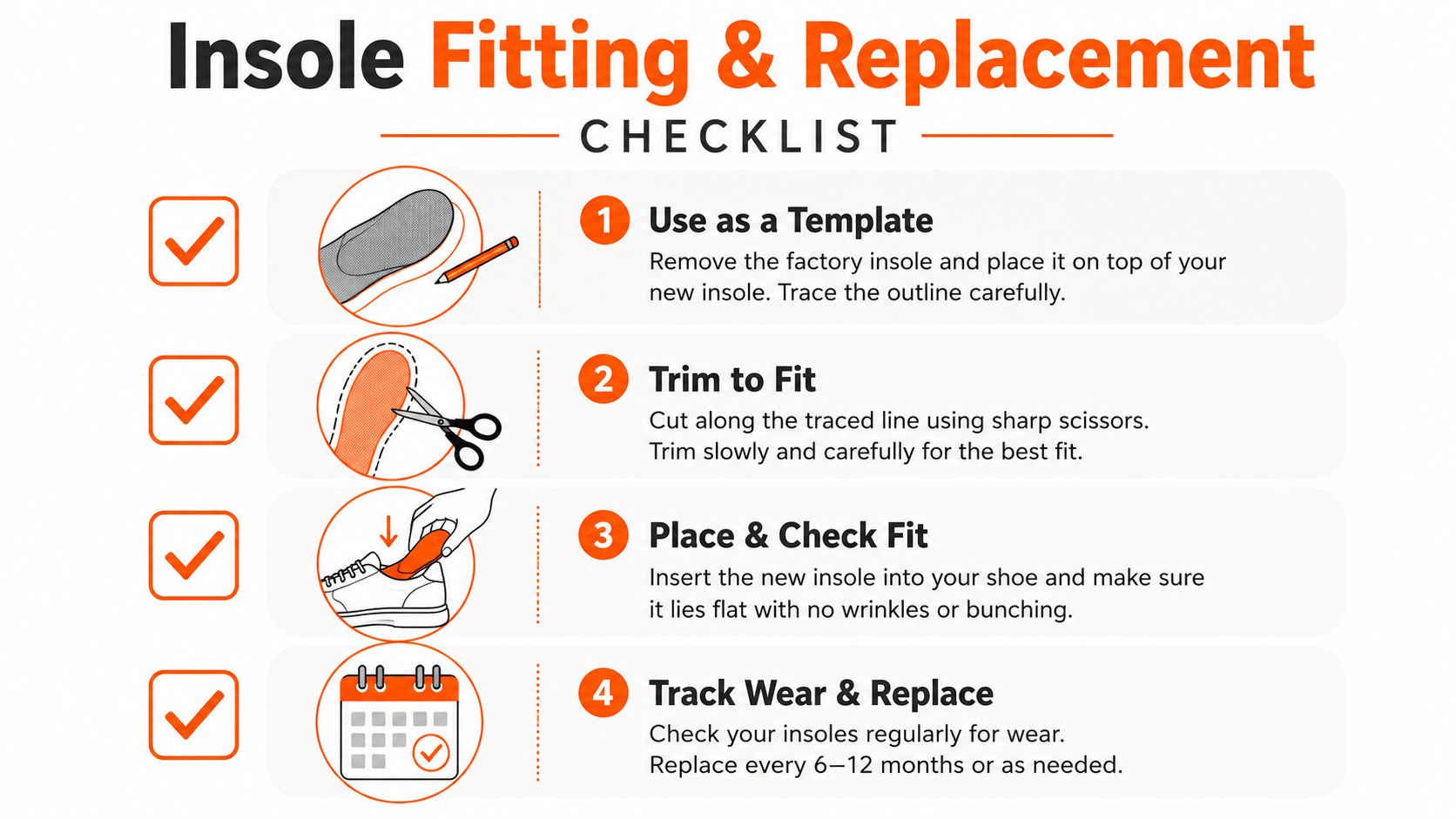
If your ECCO shoes have removable footbeds, use the originals as guides for size and shape. Only trim insoles when permitted by the manufacturer, typically at the toe end of full-length insoles.
- Trace before trimming. Use the original footbed’s heel, width, and toe shape as your guide.
- Cut a little at a time. Trim only where the product instructions allow, then check that the insert lies flat.
- Wear your usual socks. Fasten the shoes as you normally would and walk indoors.
- Notice pressure early. Excessive heel slip, toe contact, instep pressure, or a sore spot under the arch means you should reassess the insert.
A new insert may feel different at first, but it should not cause concentrated pain. Don’t try to break in a fit that keeps rubbing or crowding your foot.
Start with short wear
Wear the shoes for a short period, then build up gradually if they feel good. Check your feet and socks for rubbing or pressure marks after the first few wears.
It can help to write the installation date on the underside of the insert. Many regularly used over-the-counter insoles need inspection around six months and may need replacement within 6 to 12 months, depending on wear. Look for a flattened arch, a misshapen heel cup, worn fabric, or discomfort returning. Custom orthotics often last longer, sometimes 2 to 5 years, but their condition and fit still need checking.
About ECCO Shoes
ECCO’s Soft shoe, introduced in the early 1980s, was an early successful use of Direct Injection Technology to create flexible shoes with a strong bond between sole and upper. ECCO’s footwear history describe that construction.
The best insole for your ECCO shoes is one that fits the space you actually have. Check the liner, use the original footbed as your template, and test the shoes indoors before relying on the new insert for a full day.
Not sure which insole is right for you? Try our Insole Advisor to find options based on your arch type, activity, and support needs.